
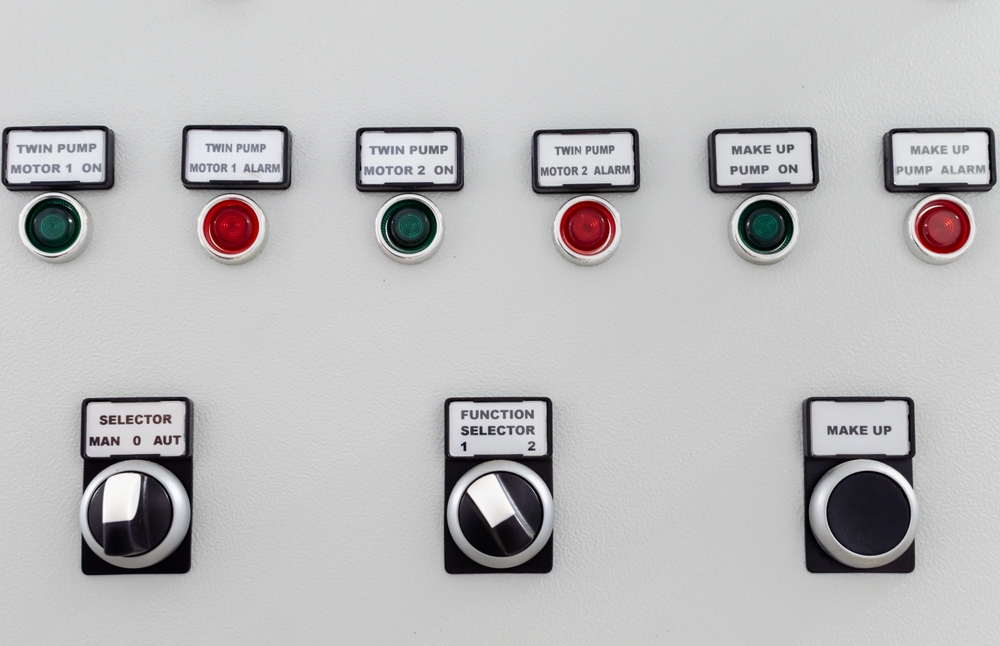
Advanced Pump Controls & SCADA Integration
The infrastructure that moves water, chemicals, and other fluids across industrial facilities and municipal systems has undergone a dramatic transformation over the past two decades. At the heart of this transformation is the convergence of advanced pump controls & SCADA integration, a pairing that has redefined how operators manage complex fluid systems. Where pump stations once required constant manual oversight, today’s systems can monitor themselves, respond to changing conditions in real time, and send alerts to engineers before problems escalate into costly failures.
This shift is not merely technological; it represents a fundamental change in operational philosophy. Instead of reacting to system failures, facility managers and utility operators can now take a proactive stance, using data to guide every decision. Understanding how advanced pump controls & SCADA integration work together is essential for any organization looking to improve efficiency, reduce downtime, and meet increasingly stringent regulatory requirements.
How Advanced Pump Controls Work
At their core, advanced pump controls are electronic systems designed to regulate the operation of pumps with precision and intelligence. Unlike simple on/off relay controls, modern pump controllers incorporate variable frequency drives (VFDs), programmable logic controllers (PLCs), and sophisticated sensor networks that continuously measure flow rate, pressure, temperature, and motor performance.
Variable frequency drives are arguably the most impactful component in modern pump control systems. By adjusting the speed of a pump motor to match actual system demand, VFDs eliminate the energy waste associated with running pumps at full capacity regardless of need. This alone can reduce energy consumption by 30 to 50 percent in many applications, according to studies conducted across municipal water systems and industrial facilities.
PLCs serve as the decision-making engines within the pump control panel. They execute pre-programmed logic that determines when pumps should start or stop, how flow should be distributed across multiple pumps, and when protective shutdowns are necessary. Modern PLCs are capable of processing thousands of inputs and outputs per second, allowing them to manage multi-pump systems with a level of coordination that would be impossible for human operators to replicate manually.
Sensors and instrumentation complete the picture. Pressure transducers, ultrasonic flow meters, level sensors, and vibration monitors feed real-time data into the PLC, ensuring that control decisions are always based on current system conditions rather than assumptions or schedules. This feedback loop is what separates truly advanced pump controls from older, timer-based approaches.
Understanding SCADA Systems in Pump Applications
SCADA, which stands for Supervisory Control and Data Acquisition, is the software and communication layer that sits above the PLC level and gives operators a broad view of their entire system. In pump applications, a SCADA system connects to every pump station, lift station, or booster station across a network and centralizes that information into a single interface, often called a human-machine interface (HMI).
The power of SCADA lies in its ability to aggregate data from geographically dispersed locations. A municipal water utility, for example, might operate dozens of pump stations spread across hundreds of square miles. Without SCADA, each station would require its own on-site operator or a time-consuming physical inspection routine. With SCADA, a single operator in a central control room can monitor every station simultaneously, view historical trends, acknowledge alarms, and even issue control commands remotely.
Data acquisition is equally as important as the supervisory control function. SCADA systems log operational data at configurable intervals, building a historical record that engineers can analyze to identify inefficiencies, predict equipment wear, and optimize system performance. This data is also invaluable for regulatory reporting, asset management, and capital planning.
Modern SCADA platforms have evolved significantly from the proprietary, closed architectures of earlier generations. Today’s systems are increasingly built on open standards and can integrate with enterprise software, cloud platforms, and third-party analytics tools. This openness is central to the broader concept of advanced pump controls & SCADA integration, as it allows organizations to build cohesive digital ecosystems rather than isolated islands of automation.
The Benefits of Integrating Pump Controls with SCADA
The real value of advanced pump controls & SCADA integration emerges when these two technologies are designed to work together seamlessly. Integration enables a level of operational intelligence that neither system can achieve independently.
Energy management is one of the most compelling benefits. When SCADA systems have visibility into real-time energy pricing, they can automatically shift pump operations to off-peak hours, reducing electricity costs without compromising service levels. Combined with VFD-equipped pumps that already minimize energy consumption through speed control, this scheduling capability can produce significant cost savings over the course of a year.
Predictive maintenance is another major advantage. SCADA systems that continuously monitor vibration signatures, motor current draw, and bearing temperatures can detect subtle changes that indicate developing mechanical problems. By flagging these anomalies early, operators can schedule maintenance during planned downtime rather than responding to unplanned failures. For industries where pump downtime translates directly to lost production or public health risk, this capability is invaluable.
Remote operation and alarm management streamline the work of operations teams. Rather than dispatching technicians to investigate every alarm, SCADA systems can categorize alerts by severity and provide enough diagnostic information for operators to determine the appropriate response from a central location. This reduces vehicle miles traveled, cuts overtime costs, and improves overall response times.
Regulatory compliance also becomes more manageable with integrated systems. Environmental agencies and public utilities commissions increasingly require detailed records of system operations, chemical dosing, and overflow events. SCADA systems that are tightly integrated with pump controls can generate these reports automatically, reducing the administrative burden on operations staff and ensuring accuracy.
Implementation Considerations and Best Practices
Successfully deploying advanced pump controls & SCADA integration requires careful planning and a clear understanding of both technical and organizational requirements. Organizations that rush into deployment without adequate preparation often find themselves managing fragmented systems that deliver only a fraction of their potential value.
Communication infrastructure is a foundational concern. SCADA systems depend on reliable data links between remote pump stations and the central control platform. Options include cellular networks, licensed radio, fiber optic connections, and mesh wireless systems. The right choice depends on geography, latency requirements, and budget. Redundant communication paths are strongly recommended for critical infrastructure to ensure that a single network failure does not blind operators to field conditions.
Cybersecurity has become a top priority as pump control and SCADA systems have moved from isolated networks to internet-connected architectures. Industrial control systems (ICS) are attractive targets for cyberattacks because they manage critical infrastructure. Best practices include network segmentation, multi-factor authentication, regular firmware updates, and continuous monitoring for anomalous activity. Engaging a cybersecurity specialist with ICS experience during the design phase is no longer optional; it is a necessity.
Operator training is often underestimated as a factor in successful integration projects. The most sophisticated SCADA platform is only as effective as the operators who use it. Comprehensive training programs, clear standard operating procedures, and regular simulation exercises ensure that staff can respond effectively to both routine operations and emergency situations.
Finally, scalability should be built into every integration project from the start. Pump systems grow and change over time as communities expand and industrial processes evolve. Selecting open-architecture SCADA platforms and standardized communication protocols ensures that the system can accommodate new pump stations, sensors, and analytical tools without requiring a complete redesign.
Conclusion
Advanced pump controls & SCADA integration represents one of the most impactful investments available to water utilities, wastewater agencies, and industrial operators. By combining precise local control with system-wide visibility and data intelligence, these technologies reduce energy costs, improve reliability, and empower operators to manage complex infrastructure with greater confidence. Organizations that embrace this integration position themselves not just for operational efficiency today, but for the demands of an increasingly data-driven and interconnected future.
Need Pumping Equipment Near You?
Categorised in: Pump Control Panels