
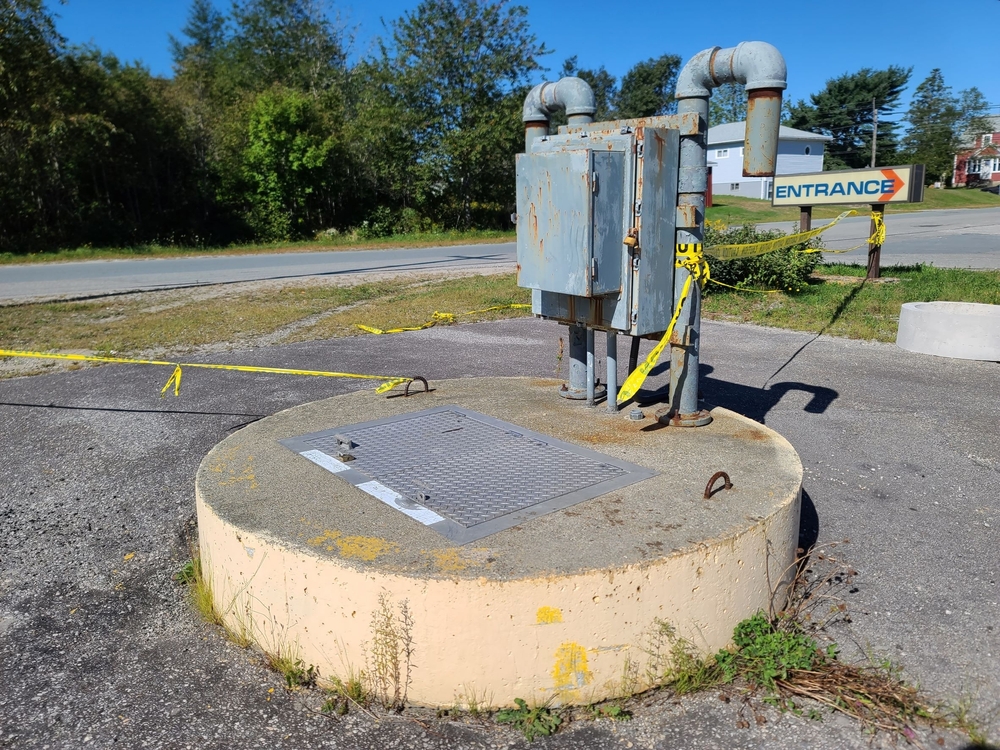
Retrofitting Aging Lift Stations: How to Modernize Existing Infrastructure Without a Full System Replacement
Lift stations are critical components of wastewater collection systems, yet many municipalities across the United States struggle with aging infrastructure that was installed decades ago. Rather than pursuing costly and disruptive complete system replacements, retrofitting aging lift stations offers a practical alternative that can extend asset life, improve efficiency, and reduce operational costs. Understanding the process of retrofitting aging lift stations allows facility managers and engineers to make informed decisions about their wastewater infrastructure investments.
The challenge of aging lift station infrastructure is becoming increasingly urgent as many systems installed in the 1970s and 1980s approach or exceed their expected service lives. Full replacement projects can cost millions of dollars and disrupt communities for extended periods. Retrofitting aging lift stations provides a middle ground that addresses many performance and reliability issues while preserving the substantial capital already invested in existing infrastructure.
Understanding the Current State of Your Lift Station
Before beginning any retrofitting aging lift stations project, it is essential to conduct a comprehensive assessment of your existing equipment and infrastructure. This evaluation should include a thorough inspection of the wet well, pump bowls, motors, and control systems. Many aging lift stations suffer from structural deterioration, corrosion, sediment accumulation, and outdated electrical components that no longer meet current safety or efficiency standards.
Professional condition assessments typically involve visual inspections, measurement of key dimensions, testing of existing equipment performance, and evaluation of structural integrity. Understanding the baseline condition of your lift station allows engineers to identify which components can be retained and which require replacement. Some aging lift stations have solid structural components that remain serviceable, while others may have severe corrosion or concrete deterioration that necessitates more extensive work.
The age and history of your lift station also provides valuable context for retrofitting decisions. Stations installed in the 1990s with quality construction may require only mechanical updates, while much older facilities might need more comprehensive overhauls. Documentation of previous maintenance, repairs, and upgrades helps identify recurring problems and informs decisions about which systems to prioritize during retrofitting aging lift stations projects.
Upgrading Pump and Motor Systems
One of the most impactful components of retrofitting aging lift stations involves upgrading the pump and motor systems. Modern pump technology offers significant advantages over equipment from decades past, including improved efficiency, better handling of variable flow conditions, and enhanced reliability. Variable frequency drives (VFDs) can be added to existing motor installations to optimize energy consumption based on actual demand rather than running at constant speed.
When retrofitting aging lift stations, facility managers should evaluate whether existing pump bowls and housings can accommodate modern pump impellers and components. In many cases, engineers can install upgraded pumps without requiring complete reconstruction of the wet well. This approach preserves existing structural elements while incorporating new mechanical technology that reduces energy consumption and improves performance.
Modern submersible and column pumps offer superior materials that resist corrosion better than older equipment. Stainless steel and advanced composite materials used in contemporary pump construction significantly extend service life compared to traditional cast iron components. Energy efficiency improvements in modern pumps can reduce operational costs substantially over the life of the retrofitted system.
Motor upgrades should also include evaluation of electrical safety systems and control circuitry. Older lift stations often contain outdated electrical components that pose safety risks and lack modern protective features. Replacing aging electrical systems with contemporary equipment that includes ground fault protection, surge suppression, and advanced monitoring capabilities addresses safety concerns while improving operational visibility.
Implementing Advanced Monitoring and Control Systems
Retrofitting aging lift stations provides an excellent opportunity to implement modern monitoring and automation technologies that were unavailable when the original systems were constructed. Smart sensors can measure flow rates, water levels, equipment runtime, and power consumption, providing valuable data for optimizing system operation and predicting maintenance needs.
Supervisory Control and Data Acquisition (SCADA) systems allow operators to monitor multiple lift stations from a central location, responding quickly to alarms and adjusting operations based on real-time conditions. Internet-connected systems enable remote monitoring from smartphones or computers, allowing facility managers to track performance and address issues without physically traveling to each station.
Predictive maintenance systems use equipment performance data and vibration analysis to identify developing problems before equipment fails. This approach reduces unexpected breakdowns and extends equipment life by addressing wear patterns proactively. Installing condition monitoring on aging lift stations during retrofitting projects can dramatically reduce emergency repairs and extend the service life of new equipment.
Advanced control logic optimizes pump runtime and energy consumption by responding to actual inflow conditions rather than operating on fixed schedules. By modulating pump operation to match demand more precisely, facilities can reduce energy consumption by 20 to 40 percent compared to older constant-speed systems. This optimization provides operational cost savings that help justify the retrofitting investment.
Addressing Structural and Environmental Concerns
Many aging lift stations suffer from concrete deterioration, corrosion of metal components, and inadequate environmental controls. Retrofitting aging lift stations should include evaluation and repair of structural elements that are still performing adequately, while replacing components that have reached the end of their service life.
Wet well rehabilitation may involve applying protective coatings to concrete surfaces, repairing cracks, or addressing groundwater infiltration issues. Modern epoxy and polyurethane coatings can restore structural integrity while extending the life of existing concrete construction. In cases where deterioration is more severe, strategic replacement of worst-affected sections allows preservation of the overall structure while addressing critical problem areas.
Ventilation systems in aging lift stations often lack adequate odor control or safety features for operator entry. Upgrading to modern ventilation equipment with carbon filtration and safety interlocks improves working conditions and addresses regulatory compliance issues. These upgrades protect employee health and make lift station maintenance safer and more tolerable.
Environmental considerations should include evaluation of backup power systems, secondary containment for lubricants and fuels, and compliance with contemporary regulations. Retrofitting projects provide opportunities to address environmental concerns that may not have been emphasized when original systems were designed and constructed.
Planning the Retrofitting Project Timeline and Budget
Successful retrofitting aging lift stations requires careful planning that balances budget constraints with operational needs and system urgency. Phased approaches allow spreading costs across multiple fiscal years while ensuring critical components receive attention first. Developing a comprehensive capital improvement plan helps secure funding and establish realistic timelines for completing all necessary work.
Budget estimates should include costs for engineering assessment, equipment procurement, construction labor, and potential contingencies. Competitive bidding among qualified contractors helps control costs while ensuring work quality. Life-cycle cost analysis comparing retrofitting options with full replacement demonstrates the economic value of modernization without complete reconstruction.
Project scheduling must account for operational requirements, seasonal variations in wastewater flow, and coordination with other municipal infrastructure work. Many retrofitting projects can be completed during lower-flow periods, minimizing operational disruption. Detailed project planning with clear communication between engineers, contractors, and facility operators ensures work proceeds smoothly and stays within budget and schedule.
Conclusion
Retrofitting aging lift stations offers municipalities a practical approach to modernizing infrastructure while controlling costs and minimizing community disruption. By combining equipment upgrades, advanced monitoring systems, and targeted structural improvements, facility managers can extend asset life and improve reliability without pursuing complete system replacement. Taking time to assess current conditions, plan upgrades carefully, and implement proven technologies ensures successful modernization that serves communities effectively for years to come.
Need Pumping Equipment Near You?
Categorised in: Lift Stations