
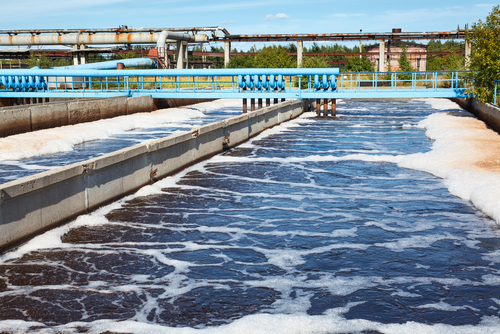
Wastewater Aeration 101: Why It’s the Heart of Your Treatment Process in Sunrise Beach, MO
If you live or operate a facility near the Lake of the Ozarks region in Sunrise Beach, Missouri, you already know how important it is to protect the local water supply. The lakes, rivers, and groundwater sources in this community are central to daily life, recreation, and the local economy. That makes proper wastewater treatment not just a regulatory requirement, but a community responsibility. At the core of nearly every effective treatment system is one critical process: wastewater aeration.
Wastewater aeration is the process of introducing oxygen into wastewater to encourage the growth and activity of aerobic microorganisms. These microorganisms consume organic matter and break down harmful pollutants, transforming raw sewage into water that is safe to return to the environment. Without adequate aeration, the entire biological treatment process slows down, stalls, or fails altogether. Understanding how this process works is essential for anyone responsible for managing a wastewater system, whether you oversee a municipal plant, a commercial facility, or a private treatment setup in the Sunrise Beach area.
The concept sounds simple, but the execution requires careful engineering and ongoing maintenance. Oxygen levels must be carefully controlled to support microbial activity without wasting energy. The aeration system must be sized correctly for the volume and composition of the incoming wastewater. And the equipment must be reliable enough to operate continuously, since even short interruptions can disrupt the biological balance that makes the system function.
The Science Behind Wastewater Aeration
To appreciate why wastewater aeration is so central to the treatment process, it helps to understand what is actually happening at the microbial level. When wastewater enters a treatment facility, it carries a complex mixture of organic compounds, nutrients, suspended solids, and potentially harmful pathogens. Left untreated, this mixture would contaminate water sources, deplete oxygen in receiving bodies of water, and create serious public health hazards.
Aerobic bacteria are the workhorses of biological wastewater treatment. These microorganisms thrive in oxygen-rich environments and consume dissolved organic material as their food source. As they metabolize organic compounds, they convert them into carbon dioxide, water, and new microbial biomass. The result is a significant reduction in biological oxygen demand (BOD), which is one of the key measures of wastewater strength and treatment effectiveness.
The aeration process also plays a role in nitrification, the biological conversion of ammonia to nitrate. Ammonia is toxic to aquatic life and is commonly found in wastewater from residential, agricultural, and industrial sources. By maintaining adequate dissolved oxygen levels through proper wastewater aeration, treatment operators in Sunrise Beach can support the specialized bacteria responsible for nitrification, helping to protect the sensitive aquatic ecosystems in and around the Lake of the Ozarks.
Types of Wastewater Aeration Systems Used in Treatment Plants
There is no single approach to wastewater aeration that works for every facility. Treatment plants in Sunrise Beach and across Missouri use a variety of aeration technologies depending on the size of the facility, the characteristics of the incoming wastewater, energy costs, and regulatory requirements. Choosing the right system is one of the most consequential decisions in the design and operation of a wastewater treatment facility.
Surface aerators are among the most common and straightforward options. These devices sit at the water surface and use mechanical action to splash and circulate water, transferring oxygen from the atmosphere into the liquid. They are relatively simple to install and maintain, making them popular for smaller facilities and lagoon-based systems, which are widely used in rural Missouri communities.
Diffused aeration systems take a different approach by pumping compressed air through submerged diffusers positioned at the bottom of the aeration basin. As fine bubbles rise through the water column, they transfer oxygen to the surrounding liquid and create mixing that helps keep solids in suspension. Fine-bubble diffusers are particularly efficient and are often preferred when energy costs are a concern, since they deliver more oxygen per unit of energy compared to coarse-bubble alternatives.
Jet aeration systems combine liquid pumping with air injection to create a highly efficient mixing and oxygenation zone. These systems are flexible, can be adjusted to varying flow conditions, and tend to be a good fit for facilities that experience seasonal fluctuations in wastewater volume, which can be relevant in resort and tourism communities like Sunrise Beach.
Common Challenges in Wastewater Aeration Operations
Even a well-designed wastewater aeration system can run into operational challenges that reduce its effectiveness or increase operating costs. Recognizing these issues early is critical for maintaining consistent treatment performance and staying in compliance with Missouri Department of Natural Resources (MDNR) discharge permits.
One of the most frequent problems is fouling of diffuser membranes or components. Over time, biological growth, mineral scaling, and debris accumulation can clog diffusers, reducing airflow and oxygen transfer efficiency. Regular inspection and cleaning schedules are essential to prevent this from becoming a serious performance issue. Facilities that neglect diffuser maintenance often see their energy costs rise while treatment effectiveness declines, a combination that creates both financial and regulatory headaches.
Blower performance is another common concern. The blowers or compressors that supply air to a diffused aeration system must be properly sized and maintained to deliver consistent airflow at the required pressure. Worn bearings, impeller damage, or control system failures can lead to inadequate dissolved oxygen levels in the aeration basin, which disrupts microbial populations and can cause treatment upsets. Having a preventive maintenance program in place, along with spare parts for critical components, is a smart investment for any facility in Sunrise Beach that depends on continuous wastewater aeration.
Seasonal temperature changes in Missouri also affect biological activity and dissolved oxygen levels. Cold water holds more oxygen than warm water, but the metabolic activity of the microorganisms responsible for treatment also slows in colder temperatures. Operators need to understand how these seasonal dynamics interact and be prepared to adjust aeration rates accordingly throughout the year.
Optimizing Wastewater Aeration for Efficiency and Compliance
Getting the most out of your wastewater aeration system requires more than just keeping the equipment running. It requires a systematic approach to monitoring, data collection, and process control that allows operators to make informed adjustments in real time.
Dissolved oxygen monitoring is the foundation of good aeration management. By placing sensors at key points in the aeration basin and tracking DO levels continuously, operators can identify zones of over- or under-aeration and make targeted adjustments. Many modern facilities use automated control systems that vary blower output based on real-time DO readings, which can reduce energy consumption by 20 to 40 percent compared to fixed-speed operation.
Process audits are another valuable tool. Periodic reviews of aeration system performance, including airflow measurements, oxygen transfer testing, and energy benchmarking, can reveal inefficiencies that are costing the facility money and may also be flagging potential compliance risks before they become enforcement issues.
Conclusion
Wastewater aeration is not just one component among many in the treatment process; it is the engine that drives biological treatment and makes everything else possible. For facilities in Sunrise Beach, Missouri, where protecting the Lake of the Ozarks and surrounding water resources is a shared priority, investing in effective and efficient wastewater aeration is both a practical necessity and a community obligation. Whether you are designing a new system, upgrading aging equipment, or simply trying to get more out of what you already have, understanding the fundamentals of aeration will help you make better decisions and deliver better outcomes for your community and the environment.
Need Pumping Equipment Near You?
Categorised in: Aeration